
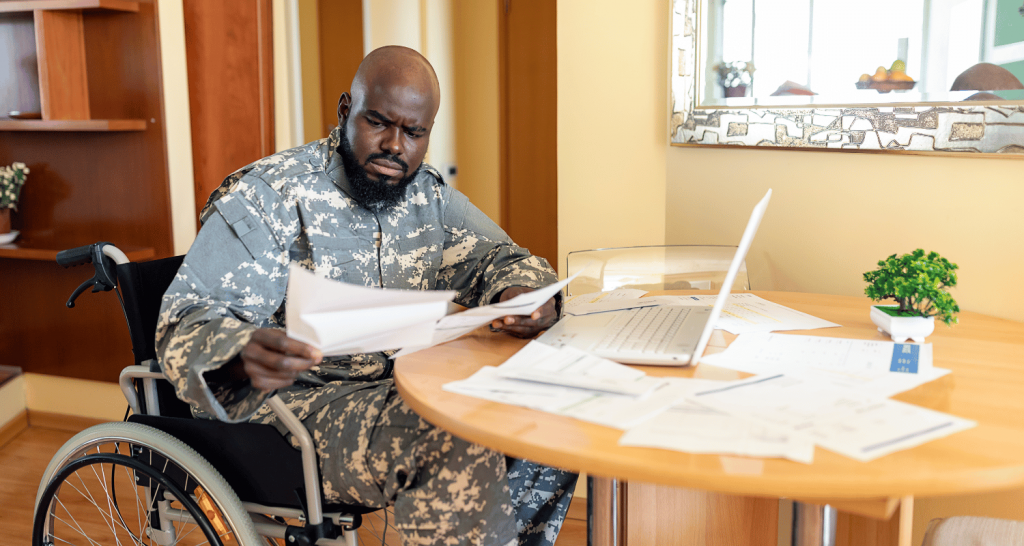
Disabled veterans looking for steady, flexible income often find the usual job options don’t fit the reality of pain, appointments, fatigue, or mobility limits. The desire to keep contributing is strong, but veteran entrepreneurship challenges, unpredictable health days, tight budgets, and translating military experience into civilian work, can make starting a small business feel like a risky leap. The good news is that many work-from-home opportunities and home-based business ideas are built for practical schedules and controlled environments. With the right match between skills, needs, and daily capacity, home-based work can become a dependable next mission.
Pick the Right Fit: A 15-Minute Skills-and-Needs Match
When you’re trying to turn your service into home-based income, the fastest wins come from choosing work that fits you, your skills, your limits, and your day-to-day reality. Use this quick match to narrow to a few accessible small business ideas or remote job options before you spend money.
- Do a 5-minute “service-to-civilian” skill scan: Grab a sheet of paper and draw three columns: Tasks I did, Tools/systems I used, Results I delivered. List 5–10 items (ex: “tracked inventory,” “trained new team members,” “wrote reports,” “maintained equipment”). Circle the ones you could do at home with minimal setup, those are your most budget-friendly starting points because you’re reusing proven strengths.
- Map your “good hours” and “hard limits” (so the job fits your body): Write down your best 2–4 hour work window, plus what reliably interrupts your day (appointments, pain flare-ups, fatigue, migraine triggers, PTSD triggers). Then tag limits as Sitting, Standing, Screen time, Noise, Fine motor, or Memory/attention. This is the heart of matching interests with disabilities, your shortlist should respect these tags, not fight them.
- Use a simple match grid to generate 3–5 realistic options: Make a mini grid: Skills on one side and limits on the other. Example matches: strong writing + low noise needs → remote customer support email, documentation, proofreading; organized planner + variable energy → virtual assistant with flexible blocks; hands-on skill + limited standing → small-batch repair/maintenance at a seated bench. Keep only ideas you can explain in one sentence and complete in your “good hours.”
Choose business models that move with you, not around you: If leaving the house is unpredictable, prioritize work that can run from home or from anywhere you can safely set up. A model like e-commerce can offer flexibility because you can run your dropshipping business from anywhere, which reduces the pressure to commute, lift, or keep strict on-site hours.
Prototype with a “$50 and 2 weekends” rule before you commit: To avoid costly trial-and-error, set a tiny test budget and a short deadline. In two weekends, create one sample deliverable (a one-page service list, a mock portfolio piece, 3 listings, or a basic resume version tailored to one remote role) and try to get one real response: a conversation, a quote request, or an interview. If you can’t reach that first response without pain spikes or schedule chaos, it’s a sign to adjust the idea, not push harder.
Build a two-lane plan: “income now” + “skills next”: Pick one immediate option you can start with your current skills (part-time remote support, simple freelancing, resale, admin tasks) and one skill to strengthen for better pay and flexibility later. Research suggests rising employment in teleworkable occupations led to an 11.6-percent increase in the employment-to-population ratio of older people with disabilities between 2018 and 2022, so it’s worth aiming your learning toward remote-friendly roles that match your health needs.
Build Remote-Friendly Tech Skills With a Flexible Online Path
Once you’ve narrowed down what fits your strengths and limitations, the next step is building the skills that make those options realistic from home. Earning an online degree can be a flexible way to build business, technical, or management skills without having to commute or rearrange your entire life. Because coursework is typically structured and accessible from your own space, you can pace it around health needs, appointments, and home responsibilities while still working toward a clear credential. If you’re interested in a remote-friendly direction, an IT degree with a focus on cybersecurity helps you learn how to protect computers and network systems, skills that can support a new career path or give you more confidence when launching a small business. If you want a concrete example of what that track can look like, this resource clears the fog by outlining cybersecurity-focused online IT options. With your learning plan in place, it gets easier to design a low-stress home routine that supports steady progress.
Habits for Steady Home-Based Progress
Home-based work and businesses grow through consistency, not perfect days. These habits help disabled veterans and everyday readers protect energy, reduce cluttered decisions, and keep progress moving even with appointments or flare-ups.
Two-List Daily Plan
- What it is: Write “Must-Do 3” and “Nice-to-Do” tasks on one sticky note.
- How often: Daily
- Why it helps: It prioritizes progress without punishing low-energy days.
One-Zone Workspace Reset
- What it is: Clear one work surface, plug in devices, and set tomorrow’s materials out.
- How often: Nightly or end of shift
- Why it helps: You start faster and spend less on replacement supplies.
Time-Boxed Focus Sprint
- What it is: Work in 25 minutes, then take 5 minutes to stretch and hydrate.
- How often: Daily
- Why it helps: Many find that they’re more productive when working remotely with a simple structure.
Boundary Doorway Rule
- What it is: Use a “start” and “stop” ritual using a timer and a shut notebook.
- How often: Daily
- Why it helps: It supports a work-life balance definition you can actually live.
Weekly Money and Mileage Check
- What it is: Track expenses, client invoices, and any travel costs in one notebook.
- How often: Weekly
- Why it helps: It prevents small leaks from turning into big stress.
Common Questions About Veteran Home-Based Work
Q: What counts as a “disabled veteran” for programs and support?
A: Many benefits use the Department of Labor definition of a disabled veteran, tied to VA compensation or a service-connected disability discharge. If you’re unsure, confirm your status through your VA paperwork or a local Veteran Service Officer. Getting clarity early helps you apply for the right resources without wasted effort.
Q: How do I pick a home business idea that fits pain, fatigue, or PTSD symptoms?
A: Start with work you can pause and restart without losing progress, like writing, bookkeeping, design, tutoring, or online resale. Test your idea with a one-week “minimum schedule” and one small paid or practice project. Choose tasks you can do seated, in short bursts, and with low sensory load.
Q: Can I work remotely if I need accommodations?
A: Yes. Write down the barrier first, then match it to a tool or change, such as speech-to-text, a larger monitor, noise reduction, flexible deadlines, or async meetings. Ask for one accommodation at a time and document what helps so you can advocate clearly.
Q: Why does finding work feel harder for disabled veterans than for others?
A: The unemployment rate for disabled veterans remains higher than for non-disabled veterans, so the challenge is real, not personal failure. Home-based work can reduce barriers like commuting, rigid schedules, and workplace access issues. Focus on roles that value results over “face time,” and build a small portfolio that shows outcomes.
Q: Should I wait until my health is “stable” before I start?
A: You don’t have to wait for perfect weeks. Start with a tiny, repeatable commitment, like one client outreach message or 20 minutes of skill practice on good days. Consistency beats intensity, especially when appointments or flare-ups pop up.
Build Sustainable Home-Based Work Momentum in One Week
Starting home-based work can feel heavy when disability needs, paperwork, and income pressure all collide at once. The way through is simple and steady: focus on empowerment for disabled veterans by choosing the next right action step, using veteran entrepreneurship support, and keeping the plan small enough to repeat. When that mindset is applied, confidence grows, decisions get clearer, and sustainable work-from-home success becomes a realistic routine instead of a distant goal. Small, consistent steps create the safest path to real income at home.
Author: Jackie Waters
Ms. Waters is a mother of four boys and lives on a farm in Oregon. She is passionate about providing a healthy and happy home for her family, and aims to provide advice for others on how to do the same with her site Hyper-Tidy.com. She has been inspired to do some home improvements lately to make it easier for her visually-impaired sister-in-law to navigate their house since she recently came to live with them.